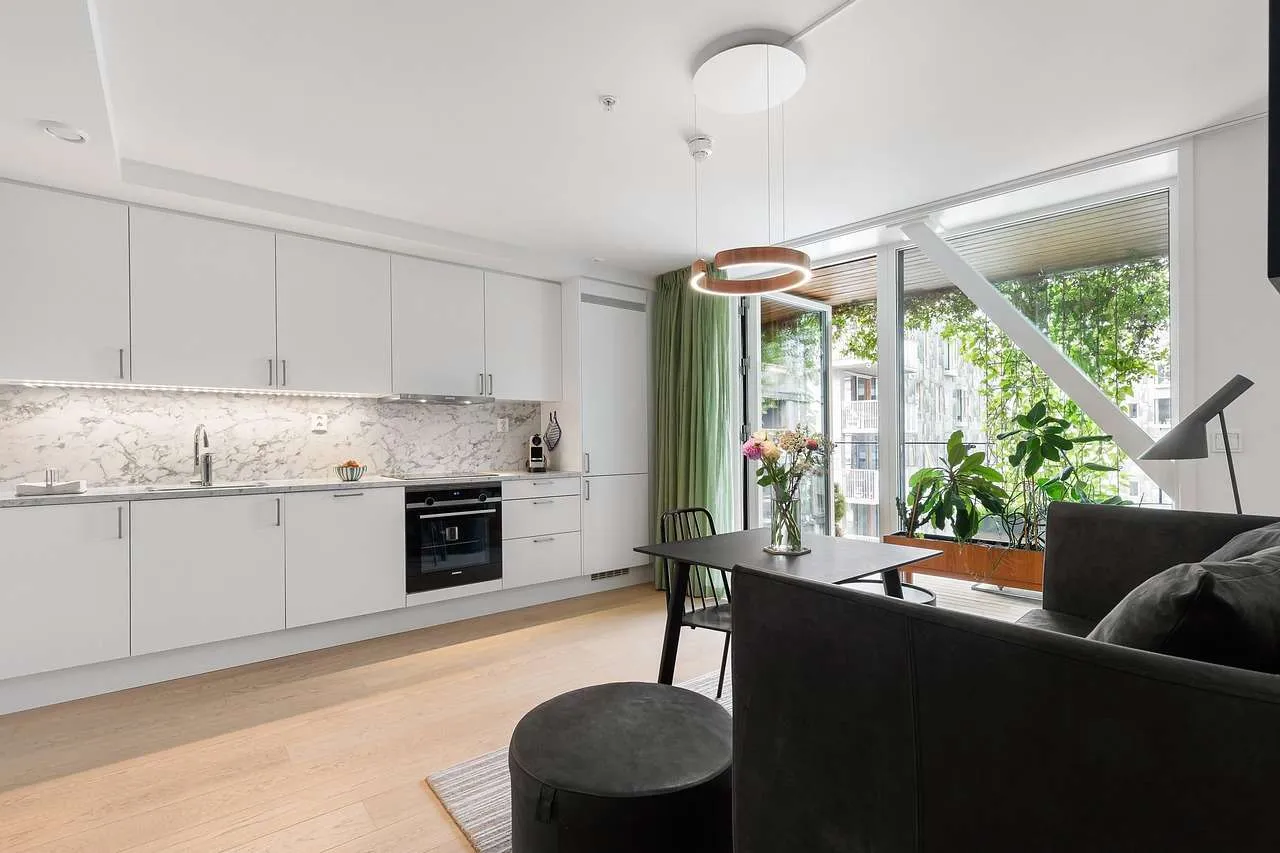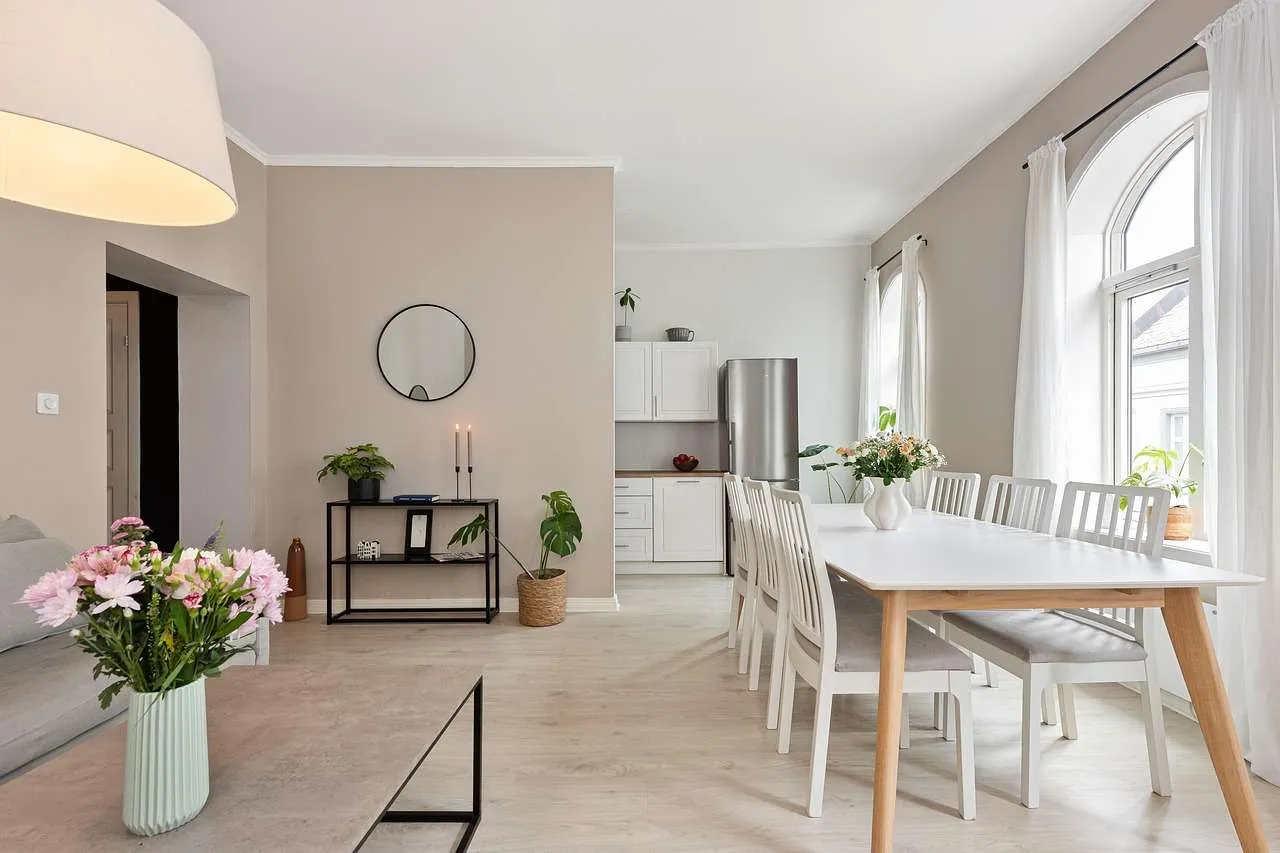
If you are searching for home window tinting near me, you are likely balancing comfort, energy savings, and curb appeal. Choosing the right installer is essential for a long‑lasting, warranty-backed result. This guide draws on industry best practices and aims to help homeowners find reputable local providers with transparent pricing and proven outcomes.
Local providers understand climate, daylight, and building codes that affect how tinting performs across seasons. They can assess your windows, suggest film types, and ensure proper installation to avoid bubbling, improper adhesion, or damage to seals. A trustworthy installer will also provide a written warranty and document the product’s solar performance with data sheets.
Why Local Providers Matter for Home Window Tinting Near Me
When you search for home window tinting near me, proximity matters for scheduling convenience and service follow-up. Local specialists typically offer on-site assessments, flexible installation windows, and faster warranty support. They also interact with neighborhood suppliers to source compliant window films and ensure compatibility with existing coatings or low-emissivity glass.
What to Know Before Tinting Your Home Windows
Understand the basics before you purchase. Window films come in various products designed to reject heat, block UV rays, and provide privacy. The right choice depends on your climate, orientation, window type, and aesthetic goals. Verify film VLT (visible light transmission) preferences, heat rejection ratings, and warranty terms. If you have energy-efficiency goals, look for films with dual certification for UV protection and heat reduction.
Tint options and their general characteristics
Below is a practical comparison to help you discuss options with a local provider. Note that prices vary by region and window size.
| Tint Type | Heat Rejection | UV Block | Privacy | Durability | Drawbacks | Typical Cost per sq ft |
|---|---|---|---|---|---|---|
| Ceramic | Excellent | High | Low to Medium | Excellent | Higher upfront cost | 5 to 12 |
| Carbon | Strong | High | Low to Medium | Good | Less glare control | 3 to 7 |
| Dyed | Moderate | Moderate | Medium | Moderate | Fades over time | 2 to 5 |
| Metallic | Very good | Good | Low | Very durable | Potential interference with devices | 4 to 8 |
When evaluating these options, ask about warranty length, maintenance requirements, and whether the film carries a federal fire rating if you live in areas with strict fire codes. A reputable installer will provide product data sheets and real‑world performance sheets for your home and climate.
Cost and Value: What to Expect
Total costs depend on window area, film type, and labor. For a typical suburban home, plan for a few hundred to a few thousand dollars. Ceramic and carbon films cost more upfront but often deliver longer‑term energy savings and better durability. Some installers offer discounts with multiple windows or bundle window treatments, so request a written estimate that itemizes film, labor, and warranty terms.
Choosing a Local Installer Near You
To ensure quality and EEAT aligned service, consider these criteria:
- Licensing and insurance coverage
- Manufacturer certifications and installer training
- Written warranty and transferable coverage
- Evidence of prior installations, reviews, and case studies
- Clear, itemized quotes with fabrication data
Ask practical questions such as the expected cure time, cleaning restrictions, maintenance routines, and whether the film is warranted against bubbling, peeling, or delamination. Request a sample swatch and a site inspection before committing.
Installation Day and Aftercare
Professional tinting involves surface cleaning, careful window prep, film cutting, and heat‑assisted adhesion. Expect a multi‑step process per window and a curing period. After installation, avoid abrasive cleaners, ammonia‑based products, or rough scrubbing for 1 month. Your installer should provide aftercare instructions and a copy of the warranty.
Summary of Practical Steps
Summary: Start with local, licensed providers and gather written quotes that include film type, warranty, and installation timeline. Review product data sheets, request on-site demonstrations or swatches, and verify neighborhood references. Confirm curing times and maintenance requirements before signing a contract. This preparation helps ensure you receive durable performance that aligns with your comfort and energy goals.
Conclusion
Conclusion, Local home window tinting near me projects benefit from expert assessment, clear warranties, and transparent pricing. By choosing a qualified local installer, you gain improved comfort, UV protection, and energy savings while protecting your interior finishes. Compare options, review warranties, and select a film and installer that fits your climate and lifestyle. This approach ensures durable results and peace of mind for your home.