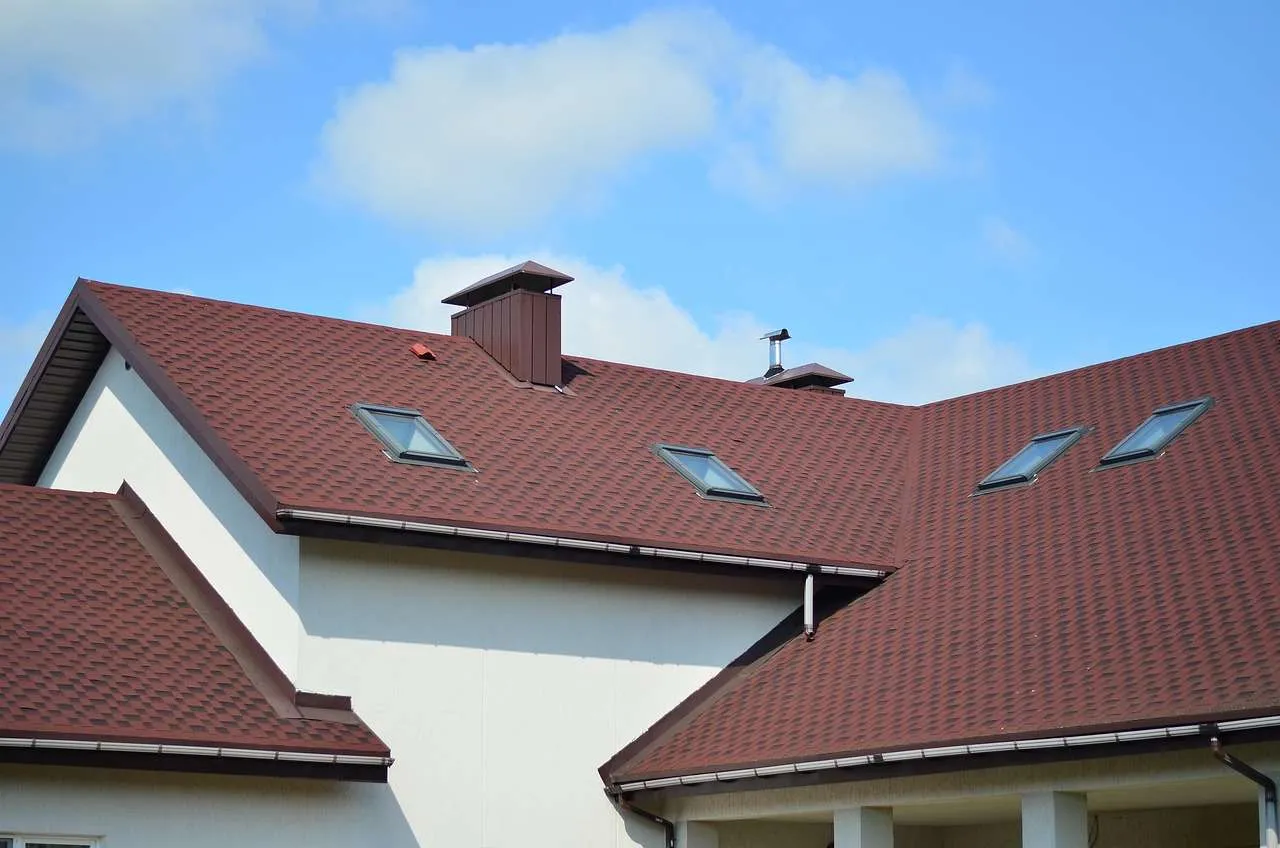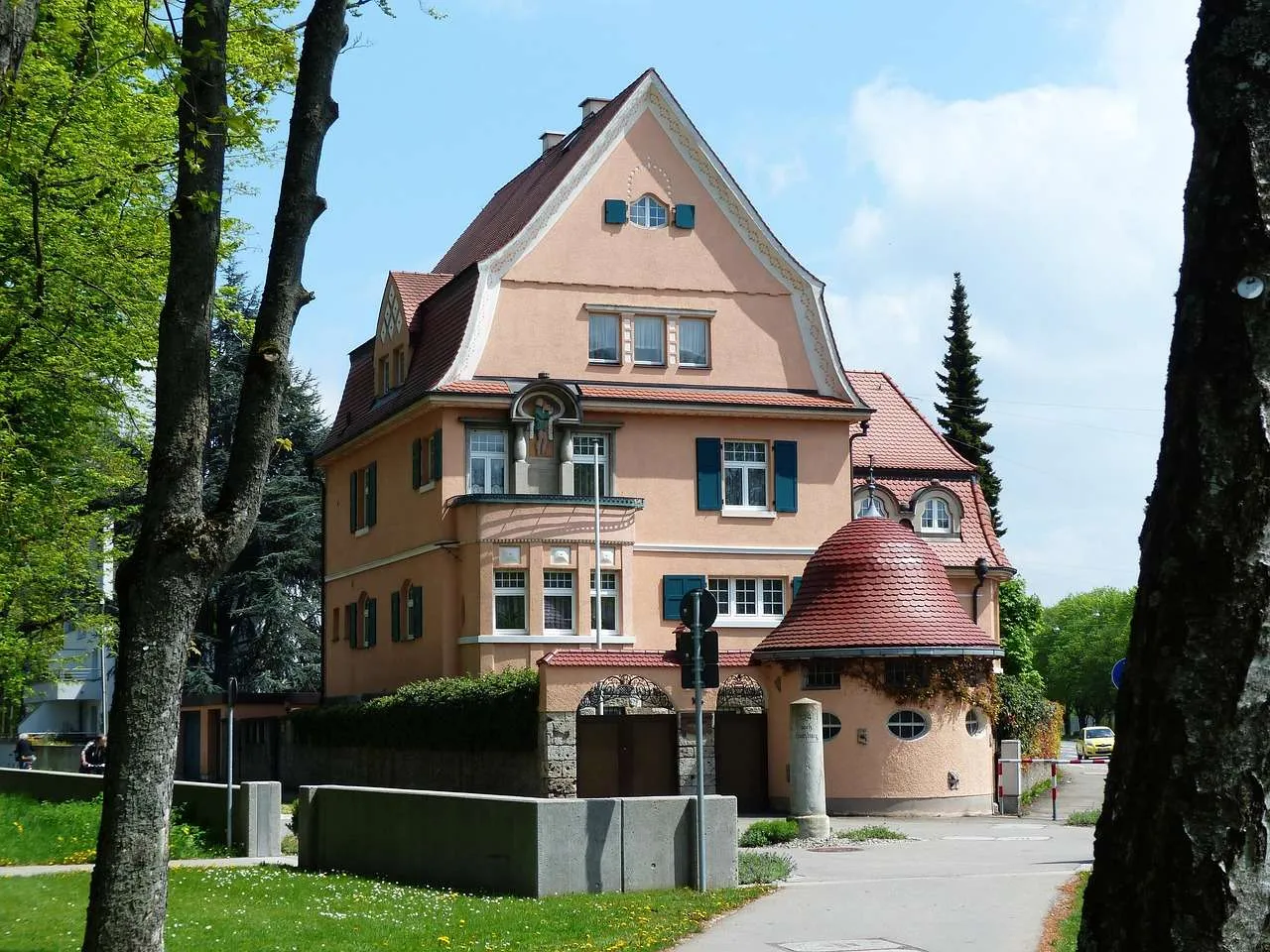
Roofing is a critical component of any structure, protecting people, possessions, and interiors from weather. When issues arise, roof repairs can prevent costly water damage and extend the life of the roof. This guide provides practical, expert insights into roofing and roof repairs, with emphasis on professional assessment, transparent processes, and sustainable maintenance. By focusing on EEAT—expertise, authoritativeness, and trustworthiness—homeowners can make informed choices and work confidently with qualified contractors.
Understanding roofing and roof repairs
Roofing refers to the system of materials and construction that covers the building envelope to shed water, insulate, and provide structural integrity. Roof repairs are targeted fixes—replacing damaged shingles, resealing flashing, patching underlayment, or addressing vent leaks—that restore function without a full replacement. A well-maintained roof improves energy efficiency, prevents interior damage, and protects property value. Engaging a licensed contractor ensures that findings, materials, and workmanship meet local codes and manufacturer warranties.
Key signs you need roof repairs
- Water stains, dripping, or new mildew on ceilings and walls
- Missing, curled, cracked, or loose shingles
- Damaged flashing around chimneys, skylights, or vents
- Granules accumulating in gutters or downspouts
- Visible sagging, daylight through the attic, or frequent leaks after storms
Common repair scenarios
Typical roof repair tasks include patching leaks, resealing flashing, replacing damaged shingles, repairing vent joints, and restoring underlayment. The appropriate repair depends on the extent of damage, roof age, and the roof’s structural condition. A thorough inspection by a qualified roofer identifies root causes—such as moisture intrusion or ventilation issues—before proposing a repair plan.
Repair vs replacement: A practical guide
Choosing between repair and replacement hinges on age, damage severity, and cost efficiency. Asphalt shingle roofs commonly last 15–25 years, while metal roofing can exceed 40 years. If damage is widespread or leaks recur after repairs, replacement often becomes the more economical option because it restores full protection and updates to newer, longer-lasting materials. A professional evaluation provides data-driven guidance and helps homeowners avoid premature replacements or unnecessary repairs.
| Option | When to Choose | Typical Cost | Pros | Cons |
|---|---|---|---|---|
| Roof Repairs | Localized damage; minor leaks; newer roofs | $300–$1,500 per repair (scope dependent) | Lower upfront cost; faster fixes | Temporary if damage is widespread |
| Roof Replacement | Extensive damage; aging roof; recurring leaks | $5–$12 per sq ft (materials and labor vary) | Long-term protection; new warranty | Higher upfront cost; disruption during install |
What to expect from a professional roof repair
A trusted roofing contractor provides a written estimate, a transparent scope of work, and a clear warranty policy. The process typically starts with a thorough inspection to identify root causes, not just symptoms. The contractor should use proper flashing, correct underlayment, and adequate ventilation. Reputable warranties cover workmanship and materials for a set period and may be subject to maintenance requirements. Before hiring, verify licensing and insurance, review previous projects, and ask for client references to gauge reliability and performance.
Maintenance tips to extend roof life
- Schedule seasonal inspections, especially after hail or heavy winds
- Keep gutters clean and free of debris to prevent water buildup
- Inspect for moss, algae, or shingle wear and treat as needed
- Ensure attic ventilation minimizes heat and moisture buildup
- Address minor issues promptly to avoid larger repairs later
Material and design considerations
The choice of roofing material affects durability, weight, and maintenance needs. Asphalt shingles offer affordability and variety, metal roofs provide longevity and energy efficiency, and tile or slate delivers classic aesthetics with long lifespans. Each option has installation nuances, weight implications for structure, and climate-specific performance. A qualified roofer can compare options, confirm compatibility with existing structures, and ensure proper installation to maximize warranties and performance.
Ensuring EEAT in roofing projects
To build trust and ensure quality, homeowners should seek licensed, insured contractors with clear references, transparent pricing, and documented warranties. Request written contracts detailing scope, materials, timelines, and service guarantees. Look for manufacturer certifications and proof of ongoing training. Reading independent reviews and verifying licensure with local authorities adds confidence that the project will meet safety and building code standards.
Conclusion
Conclusion, roofing and roof repairs require professional assessment, careful material choices, and proactive maintenance. By recognizing signs of damage, comparing repair and replacement options, and working with licensed, credible roofers, homeowners protect their investment, ensure comfort, and extend the life of the roof for years to come.